

Georgia runs on trucks. They haul timber out of Wayne County, pull bass boats toward the coast, carry hay across Appling County, and sit patiently in church parking lots on Sunday. If you are buying a truck here, you are joining a very large and very opinionated club.
This is the ultimate, buyer-friendly guide to buying a truck in Georgia. It comes from the team at NeSmith Chevrolet GMC, a family-owned dealership at 1910 E Cherry St in Jesup. We sell Chevrolet and GMC trucks to farmers, contractors, military families, first-time buyers and weekend boat people across Southeast Georgia. This comprehensive guide answers the questions buyers ask most, in the order they usually need the answers.
Whether you want a new pickup, a used workhorse or something in between, every section is practical and in-depth, and you can jump to the part you need.
In this guide
- The Short Version: Seven Must-Know Rules
- Why Buying Local Matters
- Decide What Your Truck Must Do
- Which Trucks Fit Which Georgia Jobs (table)
- Light-Duty vs Heavy-Duty Trucks
- Truck Towing Capacity vs Payload Capacity
- Cab Styles and Bed Sizes
- Gas vs Diesel and Fuel Economy
- Chevrolet or GMC?
- New vs Used vs Certified Pre-Owned
- Used Truck Inspection Checklist
- Truck Prices and Affordable Trucks in Georgia
- Truck Financing in Georgia
- First-Time Truck Buyer Guide
- Georgia Title, Tax, Registration and Insurance
- Trade-In Value and Resale Value
- Truck Warranty Basics
- Rebates, Incentives and Military Savings
- Total Cost of Truck Ownership
- Test Drive Checklist
- Negotiation Tips and Mistakes to Avoid
- Best Time to Buy
- Trucks Not Right? Other Options
- Serving Southeast Georgia
- FAQ
The Short Version: Seven Must-Know Rules
- Buy for the heaviest job you will actually do, not the average Tuesday.
- Check towing and payload for the exact truck, not just the model name.
- Get pre-qualified before you shop, so you negotiate from strength.
- Budget for ownership costs, not just the monthly payment.
- Inspect any used truck thoroughly and always pull a vehicle history report.
- Know Georgia’s title tax and 30-day registration window before you sign.
- Buy from a dealership that will still be around when your truck needs service.
Ready to look now? Browse new Chevrolet and GMC trucks for sale in Jesup or start with a quick pre-qualification, then come back to this guide for the details.
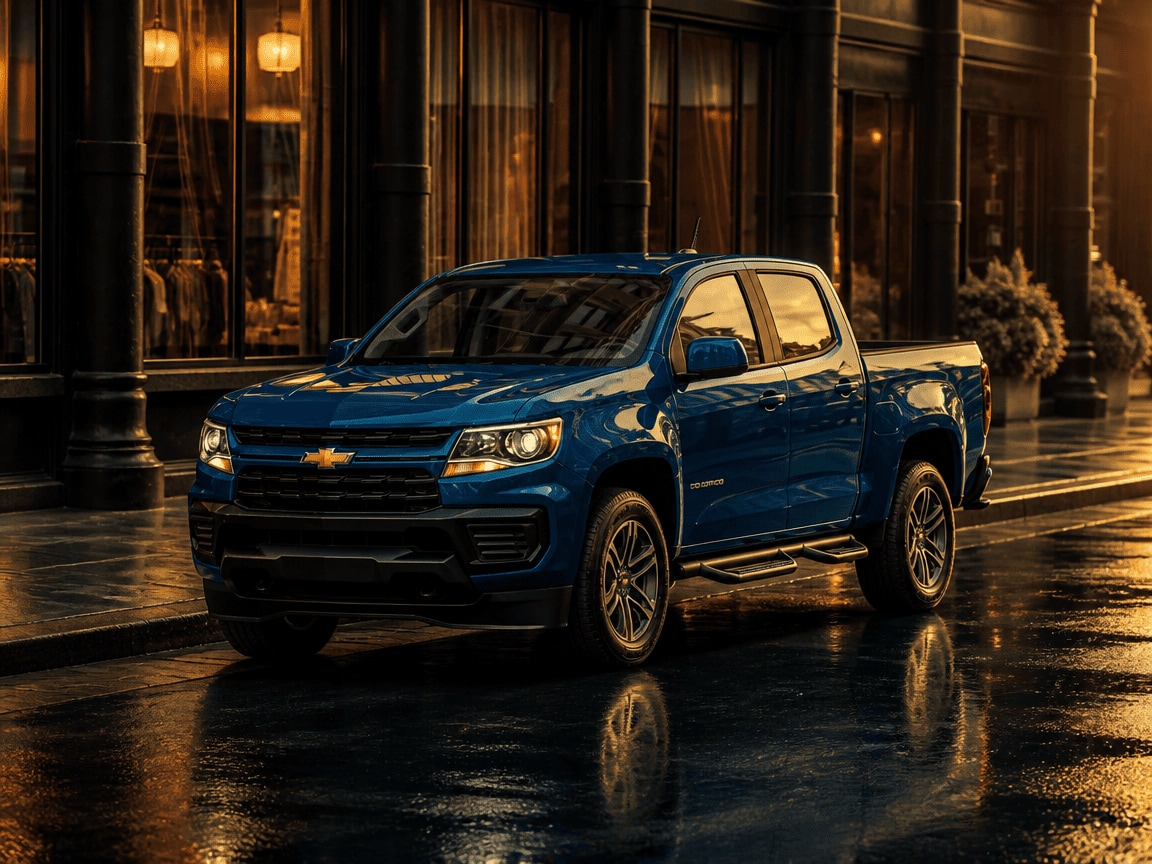
Why Buying Local from a Georgia Truck Dealership Matters
A truck is not a toaster. You will own it for years, service it often and probably lean on its dealer when something goes sideways. That makes the choice of dealership nearly as important as the choice of truck.
A local Georgia dealership understands what Southeast Georgia roads, humidity, sand, pine pollen and summer heat do to a vehicle. It also knows that a buyer in Hazlehurst needs something different from a buyer in Richmond Hill. If you are weighing small-town service against the big-city rush, our look at the top reasons to buy a vehicle at a Georgia dealership lays out the advantages in plain English.
Expert tip: Ask any dealer how far their service department is from your home. A great price means little if warranty work requires a half-day road trip.
Step 1: Decide What Your Truck Must Do (Choosing the Right Truck)
Every smart truck purchase starts with a job description. Be honest about it.
The work truck. Contractors, electricians, landscapers and timber crews need payload and durability. Prioritize bed length, payload rating and an interior that forgives dirty boots. If you run a business, that is where work trucks for contractors and trucks for construction businesses earn their keep.
The farm truck. Trucks for farming and hauling face gooseneck trailers, round bales, fuel tanks, feed and fencing. Towing capacity, a strong frame and the right axle ratio matter more than leather seats. Our guide to the best Chevy and GMC trucks for hauling and farming in Southeast Georgia goes deeper on matching trucks to rural jobs.
The family truck. If your truck doubles as the school-run vehicle, a crew cab with real rear legroom is essential. Think car seats, ride comfort and safety technology.
The weekend towing truck. Boats, campers, UTVs and race-day trailers need honest towing numbers and good brakes.
The commuter truck. If most of your miles are highway miles, fuel economy and ride quality deserve more weight than maximum capability.
Write down your two or three most demanding tasks. That list becomes your filter for everything else.
Which Trucks Fit Which Georgia Jobs: A Practical Comparison
This table is a starting framework, not a promise. Always confirm capability for the exact truck against the manufacturer’s specification information.
Light-Duty vs Heavy-Duty Trucks: Half-Ton vs Three-Quarter-Ton
Pickup trucks come in a few broad families, and the naming can feel like a secret handshake.
Midsize pickups such as the Chevrolet Colorado and GMC Canyon are easier to park and cheaper to run. They suit light hauling, trail trips and buyers who do not need a full-size bed.
Light-duty full-size pickups, often called half-ton trucks, include the Silverado 1500 and Sierra 1500. They cover the widest range of buyers.
Heavy-duty pickups, often called three-quarter-ton or one-ton trucks, include the Silverado 2500HD and 3500HD and the Sierra 2500HD and 3500HD. They are built for serious trailers and heavy payloads.
The old “half-ton” and “three-quarter-ton” labels are historical and no longer describe real capacity, so never rely on the name alone. If you are deciding between stepping up or staying put, compare the Silverado 2500 HD trucks in stock with their light-duty siblings.
Expert tip: Buy the capability you will use at least a few times a year. Heavy-duty muscle you never touch means a stiffer ride, higher fuel costs and a bigger payment.
Truck Towing Capacity vs Payload Capacity: What Every Buyer Must Know
If there is one area where buyers get burned, it is here.
Towing capacity is how much weight the truck can pull. Payload capacity is how much weight it can carry in the cab and bed, including passengers, cargo and the tongue weight of the trailer pressing down on the hitch.
The trap: many buyers check towing capacity, feel good about it, and forget that a loaded trailer pushes down on the truck. Add a full cab of passengers and a bed full of gear, and payload can run out before towing does.
Capacity also changes with engine, axle ratio, cab, bed, drivetrain and package. Two Silverados sitting side by side can carry very different ratings. The reliable sources are the manufacturer’s specifications on Chevrolet’s truck pages and the label on the driver’s door jamb of the exact truck you buy.
A proven routine for towing buyers:
- Look up or weigh the loaded weight of your trailer, not the empty weight.
- Estimate tongue weight, then add passengers and cargo.
- Compare against the truck’s listed payload and towing figures.
- Leave a comfortable margin. Towing at the edge of capability is stressful, and Georgia summer heat is hard on cooling systems and transmissions.
- Ask about a trailering package, an integrated brake controller and proper hitch setup.
Expert tip: Long coastal bridges, backroads and hot afternoons all add stress. A truck that tows comfortably in your driveway can feel different on a loaded highway run. Margin is your friend.
Truck Cab Styles and Bed Sizes: Crew Cab vs Extended Cab
Regular cab gives the longest bed relative to overall length and the lowest entry price, with seating for the front row only.
Extended cab adds a small rear area, handy for storage and occasional passengers, but rarely comfortable for adults on long drives.
Crew cab offers a full-size back seat and is the most popular choice. The crew cab vs extended cab question usually comes down to whether adults will regularly ride in back. If yes, choose crew cab. If the back is mostly for gear, an extended cab can save money.
Short bed vs long bed. A short bed is easier to park and maneuver. A long bed carries more and can feel steadier for some hauling and gooseneck setups. Think about your garage, your driveway and where you will park at the courthouse or the grocery store.
Expert tip: Measure your garage and your hardest regular parking spot before falling in love with a long-bed crew cab. A great truck that does not fit your life is an expensive lawn ornament.
Gas vs Diesel Trucks and Truck Fuel Economy
The gas versus diesel decision is less about loyalty and more about math and workload.
Gas engines cost less up front, are simple to maintain and suit most buyers, including people who tow occasionally. They are the sensible default for a half-ton truck.
Diesel engines, such as the Duramax available in heavy-duty trucks, shine when you tow heavy loads frequently or cover long distances with weight behind you. They bring strong pulling power and good efficiency under load, but usually cost more up front and bring different maintenance needs, including diesel exhaust fluid on modern engines.
Rule of thumb: if your truck pulls heavy loads most weeks, a diesel may pay for itself over time. If you tow a few times a year and mostly drive around town, gas is usually the smarter value.
Real-world truck fuel economy depends on load, speed, tires, terrain and driving habits. Official estimates help you compare trucks, but treat them as a yardstick, not a promise.
Chevrolet or GMC? Choosing Between Cousins
Chevrolet and GMC trucks share a great deal of engineering. The Silverado and Sierra are close relatives, so real differences often come down to styling, trim levels, interior finish and available features.
Many buyers choose on look and feel: Chevrolet for a straightforward, value-driven approach and a wide range of configurations, GMC for a more premium presentation. Neither is universally better. Our balanced breakdown, GMC Sierra vs Chevy Silverado in Georgia, helps you choose without the brand wars.
Wondering what a new Sierra costs? Pricing depends on trim, cab, bed, drivetrain, packages and current offers, and manufacturer pricing shifts often. Check our new vehicle specials for current offers, then ask your salesperson for the out-the-door figure on the exact truck.
Expert tip: Test-drive both. Spend ten minutes in each and notice which seat, dash and visibility layout feels like yours.
New vs Used vs Certified Pre-Owned Trucks
This is the classic new vs used trucks debate, and the right answer depends on your budget, your risk tolerance and how long you will keep the truck.
Buying new gives you the latest technology, a factory warranty, the exact configuration you want and no previous owner. You also absorb the steepest early depreciation. Browse new Chevrolet and GMC inventory to see what is on the lot.
Buying used gets you more truck for the money and lets someone else absorb the first wave of depreciation. The trade-off is uncertainty about how it was driven, towed and maintained. Start with our used trucks for sale, and read our companion guide on what to look for when buying a used truck in Georgia.
Certified pre-owned (CPO) sits in the middle. A certified truck typically goes through a manufacturer-backed inspection and carries added coverage, though specifics depend on the program. See our pre-owned featured vehicles and the dealership’s used vehicle shopping guides for Southeast Georgia to compare options.
A quick way to choose:
- Want the newest features and a long factory warranty? Lean new.
- Want the best value and comfortable doing homework? Lean used.
- Want a middle path with extra reassurance? Look at certified pre-owned.
The Used Truck Inspection Checklist and History Report
Take this with you, take your time and do not let anyone rush you.
- Pull a vehicle history report. Look for accident history, title problems, odometer issues and service records. A clean report does not guarantee a clean truck, but a troubled report is a loud warning.
- Walk the body. Check for uneven panel gaps and mismatched paint, which can point to past repairs.
- Inspect the frame and undercarriage. Look for rust, bends, fresh welds or patched areas. Georgia humidity and coastal air are tough on metal.
- Check the bed. Heavy gouges and a sagging rear end can signal hard work or overloading.
- Look at the tires. Uneven wear can hint at alignment or suspension trouble.
- Examine fluids. Oil, transmission fluid and coolant should look and smell right.
- Test the interior. Try every switch, window, lock and the infotainment system. In Georgia, working air conditioning is not a luxury.
- Test towing equipment. Check any hitch, trailer wiring or brake controller.
- Listen on the drive. Notice clunks, whines, rough shifting, steering pull and brake pulsing.
- Ask for service records. A stack of receipts is a very good sign.
Expert tip: If a used truck has clearly pulled heavy trailers for years, ask pointed questions about transmission service and brake wear. Towing history is not a dealbreaker, but it should shape your inspection.
Truck Prices in Georgia and Finding Affordable Trucks
Truck prices in Georgia are not a single number. They shift with trim, cab, bed, drivetrain, packages, mileage (for used), market demand and incentives. Advertised dealer pricing may also exclude items such as tax, tag, title, registration, lender fees and dealer fees, so always ask for the out-the-door price in writing.
Ways to find a reliable, value-driven truck without overpaying:
- Choose a work trim over a loaded luxury trim if you mostly need capability.
- Consider a well-maintained used or certified pre-owned truck.
- Skip options you will not use, such as a larger engine or heavier package.
- Stack eligible incentives and trade-in value.
- Compare total cost, not just the monthly payment.
Truck Financing in Georgia: Loans, Rates and Down Payments
Financing makes many buyers anxious, so let us make it comfortable.
Get pre-qualified first. It shows what you can afford without committing to a purchase. Start with our pre-qualification form so you walk in knowing your range.
Understand the loan pieces. Your payment depends on the amount financed, interest rate, term and down payment. A longer term lowers the monthly payment but usually raises total interest. Truck loan rates and down payment requirements vary by lender and credit profile, so ask instead of assuming. Our financing page explains how dealership financing works.
Credit is not a closed door. If your credit is bruised, visit our credit-challenged financing page and read our guide to getting pre-approved for a car loan with bad credit in Georgia.
Finance vs lease. Financing builds ownership and has no mileage cap. Leasing can lower payments, but you do not own the truck at the end and mileage limits apply. For work trucks, heavy towing and high-mileage drivers, financing usually makes more sense. If you swap vehicles every few years and drive modest miles, leasing deserves a look.
Expert tip: Never shop by monthly payment alone. Ask for the total cost of the loan, the rate, the term and every fee.
First-Time Truck Buyer Guide: A Step-by-Step Start
If this is your first truck, welcome to the club. A few extra steps make the process smoother.
- Decide whether you need a truck or whether an SUV fits better.
- Pick your most demanding task and shop around it.
- Set a total monthly budget that includes insurance, fuel and maintenance.
- Get pre-qualified before visiting.
- Test-drive two or three configurations.
- Ask every question you have. Good dealers expect them.
Little or no credit history is common among first-time buyers and does not have to stop you. Read about no-credit and first-time buyer financing in Southeast Georgia to see how the process works.
Georgia Title, Tax, Registration and Insurance Requirements
Georgia handles vehicle taxes differently from many states, and knowing the basics prevents surprises.
Title Ad Valorem Tax (TAVT). Instead of traditional sales tax at purchase plus an annual ad valorem tax, Georgia charges a one-time Title Ad Valorem Tax when a vehicle is titled. It is based on the vehicle’s fair market value as determined by the state, which is not always your negotiated price. Confirm the current rate and calculation on the Georgia Department of Revenue TAVT page before you budget.
Registration timing. Newly acquired vehicles generally must be titled and registered within 30 days. When you buy from a dealership, the team typically handles the paperwork, one of the quiet perks of buying from a licensed dealer.
Insurance. Georgia requires liability insurance. Truck insurance costs vary with the model, trim, value, driving record and location, so get quotes on the specific truck before you buy.
What to bring. Expect identification, proof of insurance and any trade-in or lien information.
Expert tip: Include the title tax in your out-the-door budget, and ask for the full estimate in writing.
Truck Trade-In Value and Resale Value
Your current vehicle can become your down payment, so treat the trade-in as part of the negotiation.
What moves trade-in value: condition, mileage, maintenance records, local demand, color and options. Clean it, gather service records and bring both sets of keys.
Keep the deals separate. Negotiate the truck price first, then the trade.
Start your appraisal early. Our trade-in form gets the process moving before you visit.
Think resale from day one. Truck depreciation is real, but trucks as a group tend to hold value well compared with many vehicle categories. Popular configurations, reasonable mileage, regular maintenance and a clean history all help. Neutral colors and sensible options usually sell more easily later.
Truck Warranty Basics: What Coverage to Ask About
A warranty is peace of mind, but only if you know what it covers.
- New trucks come with manufacturer coverage. Ask the dealer exactly what is included and for how long.
- Certified pre-owned trucks may include added coverage depending on the program.
- Used trucks are often sold as-is unless stated in writing or covered by a separate agreement, so get any promises in writing.
- Extended protection plans exist for buyers who plan to keep a truck long term. Review the protection options and read the terms carefully, including deductibles and exclusions.
Expert tip: Ask what is covered, what is not, who performs the repairs and whether coverage transfers if you sell.
Truck Rebates, Incentives and Military Savings
Incentives change often, so confirm current offers before you buy. Our incentives and offers page lists what is available, and your salesperson can explain what you qualify for.
Southeast Georgia has a proud military community. Active duty, veterans and military families near Fort Stewart and Hunter Army Airfield should read our post on the military discount at Fort Stewart with NeSmith GMC and Chevy and visit our military appreciation page for details and eligibility.
Expert tip: Ask whether incentives can be combined and whether they apply to the exact truck you want.
Total Cost of Truck Ownership: Maintenance, Insurance and Storm Prep
The sticker is only the opening chapter. Total cost of truck ownership covers fuel, insurance, maintenance, tires, registration, depreciation and interest.
Maintenance costs. Oil changes, tire rotations, brakes, fluids and filters add up, and towing or hauling increases wear. Georgia heat is especially hard on batteries, cooling systems and oil. Our summer oil change guide for Georgia explains why climate matters, and you can book a certified oil change.
Insurance and fuel. Larger trucks can cost more to fuel and insure. Estimate both before committing.
Tires. Truck tires are a major expense, and the right tire for towing differs from the right tire for commuting.
Accessories. Bed liners, tonneau covers, running boards, hitches and floor liners protect your investment. Browse genuine GM accessories to plan your budget.
Hurricane season readiness. Coastal and near-coastal Georgia drivers should check a few things before a storm: tire condition and pressure, battery health, wipers and lights, fluid levels and a full fuel tank. Keep insurance and registration documents handy, and never drive through floodwater. If you want a professional once-over, see the service menu at our Jesup service center.
Expert tip: Set aside a small monthly maintenance fund so a surprise repair or new set of tires does not hurt.
Truck Test Drive Checklist
- Drive a mix of roads: town streets, highway and, if possible, a rougher stretch.
- Check visibility, mirrors, seating position and low-speed maneuvering.
- Test acceleration, passing power and braking.
- Try the infotainment, camera systems and driver assistance features.
- Sit in the back seat if you will carry passengers.
- Back into a parking space to judge size and sight lines.
- If you tow, discuss how the truck handles with a load.
- Turn the radio off for a while and listen.
Truck Negotiation Tips, Questions to Ask and Mistakes to Avoid
Negotiating does not need to feel like wrestling. Preparation is your advantage.
- Know exactly what you want, including trim, cab, bed and drivetrain.
- Get pre-qualified so you know your budget.
- Research similar trucks in your area.
- Ask for the out-the-door price, including taxes, title and fees.
- Negotiate one thing at a time: truck price, trade-in, then financing.
- Be polite and direct. A friendly tone beats a staring contest.
- Be willing to wait if the numbers do not make sense.
Questions to ask any truck dealer:
- What is the full out-the-door price?
- What fees are included?
- Is the vehicle history report available?
- What warranty or coverage comes with it?
- How does your service department handle appointments?
- Which incentives apply to this exact vehicle?
Common truck buying mistakes to avoid:
- Buying more truck than you need, or less than your trailer demands.
- Ignoring payload and focusing only on towing.
- Skipping a used-truck inspection and history report.
- Focusing on monthly payment instead of total cost.
- Forgetting insurance, tires and maintenance in the budget.
- Not getting pre-qualified.
- Rushing the test drive.
- Overlooking the importance of a trustworthy local service department.
The Best Time to Buy a Truck
There is no single magic date, but patterns help. Month-end and year-end often bring sales pushes. Model-year changeovers can create opportunities on outgoing inventory, and manufacturer incentives rotate throughout the year. The best time is usually when your needs, your budget and a good available truck line up. Talk with a salesperson about timing and current offers.
What If a Truck Is Not the Right Fit?
Sometimes the honest answer is a different vehicle. If you need three rows and a smoother daily drive, an SUV may be the better tool. Our comparison of the GMC Acadia vs Chevy Traverse for Georgia families can help. Curious about electric? Ask about a Chevy EV test drive to see how range and charging fit your routine, especially on longer rural Georgia drives.
Serving Truck Buyers Across Southeast Georgia
NeSmith Chevrolet GMC welcomes truck shoppers from across southeast Georgia. Based in Jesup, in Wayne County, our dealership serves drivers from nearby communities, including Hinesville, Brunswick, Waycross, and Baxley. Whether you're comparing trucks for work, towing, or everyday driving, our team can help you explore available Chevrolet Silverado and GMC Sierra models, compare features, and discuss financing options.
Searching for truck dealerships near you in rural Georgia? Even the little crossroads count. We wrote about our Chevrolet GMC dealer near Hortense, GA because a short drive to Jesup often beats a long drive to a bigger city.
Visit us
NeSmith Chevrolet GMC Inc.
1910 E Cherry St, Jesup, GA 31546
Phone: (912) 427-2045
Sales hours: Monday to Friday 8:30 am to 6:30 pm, Saturday 9:00 am to 4:00 pm, Sunday closed
Service hours: Monday to Friday 7:30 am to 5:30 pm, Saturday 8:00 am to 4:00 pm, Sunday closed
Need a route? Use our directions page, or reach the team through our contact page.
Georgia Truck Buying: Quick Answers
What is the best truck to buy in Georgia?
For most Georgia drivers, a half-ton crew cab such as the Chevrolet Silverado 1500 or GMC Sierra 1500 is the best all-around pick. If you regularly pull heavy trailers or haul big loads, step up to a heavy-duty Silverado 2500HD or Sierra 2500HD.
There is no single best truck, only the best truck for your hardest regular job. A Georgia farmer pulling a loaded gooseneck, a contractor carrying materials and a family towing a weekend boat each need something different. Choose by your heaviest routine task, then confirm towing and payload for the exact configuration on the manufacturer’s specification sheet and the driver’s door-jamb label.
If you shop around Jesup and Wayne County, expect a mix of work trucks, farm haulers and family crew cabs. Many buyers here also take weekend trips to the coast with a trailer, so towing margin matters.
Is it better to buy a new or used truck in Georgia?
Buy new if you want the newest technology, a full factory warranty and a custom configuration. Buy used if you want more truck for the money. Certified pre-owned (CPO) fits buyers who want lower cost with added inspection and coverage.
New trucks lose the most value early on, but they bring the least uncertainty. Used trucks cost less up front, but their history varies, so a vehicle history report and a full inspection are essential. Certified pre-owned trucks usually go through a manufacturer-backed inspection and carry extra coverage, though terms depend on the program, so ask what is included.
If you plan to keep the truck for many years and tow often, new or certified often makes sense. If you want the lowest cost of entry and will inspect carefully, used can be the best value.
How much do I need for a truck down payment?
There is no universal amount. Down payment requirements depend on the lender, your credit profile and the truck you choose. A larger down payment generally lowers your loan balance and monthly payment, and pre-qualification shows you what to expect before you shop.
Lenders look at credit history, income, the loan term and the price of the vehicle. A strong trade-in can serve as part or all of your down payment, which is why many buyers appraise their current vehicle early. Avoid choosing a payment first and a truck second. Ask for the total loan cost, the interest rate and the term, not just the monthly figure.
Remember to budget separately for the one-time Georgia title tax and registration costs, since they are not always part of the down payment conversation.
Does Georgia charge sales tax on vehicles?
Not in the traditional way. Georgia charges a one-time Title Ad Valorem Tax (TAVT) when a vehicle is titled, instead of regular sales tax and the old yearly ad valorem tax. The Georgia Department of Revenue sets and publishes the current rate.
TAVT is based on the vehicle’s fair market value as determined by the state, which is not always the same as the negotiated price. Because rates and rules can change, confirm the current figure on the Georgia Department of Revenue website before you finalize your budget. Ask your dealer for an out-the-door estimate in writing so the tax, title and fees are clear from the start.
Source to check: Georgia Department of Revenue, Motor Vehicle Division, Title Ad Valorem Tax page.
How long do I have to register a truck in Georgia?
Georgia generally expects you to title and register a newly acquired vehicle within 30 days of purchase. If you buy from a licensed dealership, the dealer typically handles the title and registration paperwork for you.
Missing the deadline can bring penalties, so do not let the paperwork sit. You will usually need identification, proof of Georgia liability insurance and any trade-in or lien details. Buying through a dealership usually removes much of the legwork compared with a private sale, where the buyer often completes the process at the county tag office.
Tip: Ask your salesperson exactly which documents they need from you on the day of purchase.
Should I lease or finance a truck?
Most truck owners are better off financing. It builds ownership, has no mileage cap and suits towing, hauling and high-mileage use. Leasing can fit drivers who want lower payments, drive modest miles and like to switch to a newer truck every few years.
With a lease, you pay for the truck’s use during the term and typically face mileage limits and wear charges, with no ownership at the end. With a loan, every payment builds toward owning the truck outright. Work trucks, farm trucks and anything that tows regularly usually fit financing better because heavy use can clash with lease terms.
Quick test: Do you drive a lot, haul often or keep vehicles for years? Finance. Do you drive little and enjoy a new truck often? Consider a lease.
What should I check on a used truck?
Start with a vehicle history report, then inspect the body, frame, tires, fluids, interior and towing equipment, and take a thorough test drive. Walk away from any seller who hurries you or will not share service records.
The details:
- Review accident, title and odometer history.
- Look for uneven panel gaps, mismatched paint and fresh welds.
- Check the frame and undercarriage for rust, especially given Georgia humidity and coastal air.
- Inspect tires for uneven wear, which can point to alignment or suspension trouble.
- Test the air conditioning, switches, hitch and trailer wiring.
- Listen for clunks, whines and rough shifting on the drive.
Tip: If the truck clearly towed heavy loads, ask about transmission service and brake condition.
Can I buy a truck with bad credit in Georgia?
Yes, many buyers with challenged credit still find a path to a truck. Approval depends on your overall situation, so start with pre-qualification and talk openly with a dealership finance team about your options.
Lenders consider credit history, income, job stability, the amount you put down and the vehicle itself. A larger down payment, a solid trade-in or a more affordable truck can improve your chances. Rates and terms vary by individual circumstances, so compare your total cost, not only the monthly payment. If you are rebuilding credit, a responsible loan can also help your history over time.
Tip: Get pre-qualified before you visit so you know your range, then shop within it.
What are the most reliable pickup trucks?
Reliability depends on the specific model, model year, maintenance history and how the truck was used, so no single truck wins every time. Compare independent reliability ratings, check service records, and always pull a vehicle history report on a used pickup.
A well-maintained half-ton with regular oil changes and documented service can outlast a neglected heavy-duty truck. Hard towing, overloading and skipped maintenance all shorten a truck’s life. When you compare models such as the Silverado, Sierra and Colorado, look at the exact year and powertrain, not just the nameplate.
Tip: Reliability is partly your habit. Following the maintenance schedule matters as much as the badge on the tailgate.
Ready to Find Your Next Truck in Georgia?
Your next truck should fit your work, towing needs, budget, and everyday driving. Visit NeSmith Chevrolet GMC in Jesup, GA, to explore available Chevrolet Silverado and GMC Sierra trucks, compare cab styles and trim levels, discuss financing options, and get behind the wheel for a test drive.
Whether you need a dependable work truck, a capable towing partner, or a pickup for everyday use, our team can help you compare your options and find the right fit.
Visit us at 1910 E Cherry St, Jesup, GA 31546, or call (912) 427-2045 to speak with our team and plan your visit. Bring your trailer specifications and trade-in details if applicable, and let’s find a truck that works for you.