

Quick answer: When buying a used truck in Georgia, check the frame and undercarriage for corrosion (humidity and coastal salt air accelerate rust), pull a VIN history report before you view the vehicle, verify service records match the odometer, and confirm Georgia's flat 7% Title Ad Valorem Tax when budgeting. Inspect tires, brakes, and towing hardware separately from the engine and transmission. NeSmith Chevrolet GMC offers GM Certified Pre-Owned inventory with factory-backed inspections if you'd rather skip the guesswork entirely.
Buying Used Doesn't Have to Mean Buying Blind
A used truck is one of the few vehicle purchases where the seller almost always knows more than the buyer. That's not a knock on anyone, it's just the nature of a used sale: the previous owner knows whether that transmission ever slipped, whether the bed liner is hiding rust, whether "just needs a battery" actually means something worse. Your job as the buyer is to close that information gap before you sign anything, not after.
Georgia adds a few wrinkles that a generic "how to buy a used truck" article won't cover: humidity that's harder on metal than a dry climate, a specific statewide tax structure, and a used-truck market that ranges from farm trucks that lived a hard life to low-mileage trade-ins that barely got dirty. This guide walks through what actually matters, in the order it actually matters, so you're not relying on a gut feeling or a salesperson's reassurance.
Start With the Frame, Not the Interior
Most first-time truck buyers walk onto a lot and start with what they can see: paint condition, interior wear, infotainment screen. That's backwards. The frame is the one component that's expensive to fix and dangerous to ignore, and it's the one thing a lot of buyers never actually look at.
Georgia's humidity is genuinely harder on frames than a dry climate. Coastal counties add salt air on top of that. A truck that's spent its life within thirty or forty miles of the coast, or one that's regularly been driven through standing water or unpaved roads, is a more likely candidate for frame and undercarriage corrosion than a truck that's lived its whole life in a garage in a drier part of the state.
What to actually check: Get the truck on a lift, or at minimum get a flashlight underneath it, and look at the frame rails, not just the visible parts of the undercarriage. Surface rust on brake lines and exhaust components is common and usually not disqualifying. Flaking, scaly rust on the frame rails themselves, especially anywhere structural, is a different problem entirely. If a seller won't let you get the truck on a lift before you buy, that's information too.
"A little surface rust on a used truck in Georgia is normal, almost expected. What you're actually screening for is rust that's eaten into the frame rail itself, not just sitting on the surface. If you can flake it off with a fingernail and see solid metal underneath, that's usually fine. If it crumbles or you can push a screwdriver through it, walk away."
Pull the Vehicle History Before You Ever See the Truck in Person
A VIN-based history report won't catch everything, but it catches a lot, and it takes five minutes. Before you drive anywhere to look at a specific used truck, run the VIN and check for:
Title status. Salvage, rebuilt, or flood titles should be disclosed upfront, and if they're not, that's a serious red flag on its own, not just a note about the vehicle.
Accident history. A reported accident doesn't automatically disqualify a truck, plenty of well-repaired vehicles have a clean mechanical bill of health despite a reported incident, but it changes what you should inspect closely once you're looking at it in person.
Reported mileage consistency. Odometer readings that don't climb steadily over time, or that jump inconsistently between reported service visits, are worth asking hard questions about.
Service history, if available. A truck with a documented maintenance history, especially one serviced consistently at the same dealership, tells you something a clean-looking exterior never will.
What to Actually Inspect, Beyond the Frame
Tires and Suspension
Uneven tire wear usually means an alignment or suspension issue, not just a tire that needs replacing. Check tread depth across all four tires, not just the two you can see easily, and look for cracking in the sidewalls, especially on a truck that's been sitting for a while between owners.
Towing Hardware, If Towing Capability Matters to You
If you're buying the truck specifically for towing, check the hitch receiver for cracks or excessive wear, and ask specifically whether the truck has the factory trailering package or an aftermarket hitch installed later. A factory-installed setup generally means properly rated wiring and a hitch matched to the truck's actual towing capacity; an aftermarket add-on is only as good as whoever installed it.
Brakes
Beyond pad thickness, listen and feel for pulsation under braking, which usually points to warped rotors, and check for uneven wear side to side, which can indicate a caliper that's not releasing properly.
Engine and Transmission
This is where a pre-purchase inspection from an independent or dealership technician earns its cost many times over. A cold start check (does it idle rough or smoke on first startup?), a look at fluid color and level across the board, and a test drive that includes both low-speed and highway-speed driving will catch far more than a visual inspection alone.
"Always ask for a cold start. A truck that's been running for twenty minutes before you get there can hide a rough start, a check-engine light that was cleared, or a transmission that hesitates on the first shift. If a seller has the truck already running when you arrive, that's not necessarily a red flag by itself, but it's a good reason to ask them to shut it off and restart it while you watch."
Understanding Georgia's Actual Tax and Fee Structure
A common myth worth correcting directly: Georgia's Title Ad Valorem Tax (TAVT) is a flat statewide rate, currently 7% of a vehicle's fair market value, and it applies the same way whether you buy in a major metro county or a rural one. If anyone tells you a specific county offers a lower vehicle tax rate, that's not accurate, TAVT doesn't vary by location. You can confirm the current rate directly through the Georgia Department of Revenue's TAVT information page.
What does vary by dealer is the documentation fee and any add-on charges, since those aren't state-capped. Always ask for a full out-the-door price, including TAVT, documentation fee, and registration, before you commit to a specific truck.
New, Used, and Certified Pre-Owned: What the Difference Actually Buys You
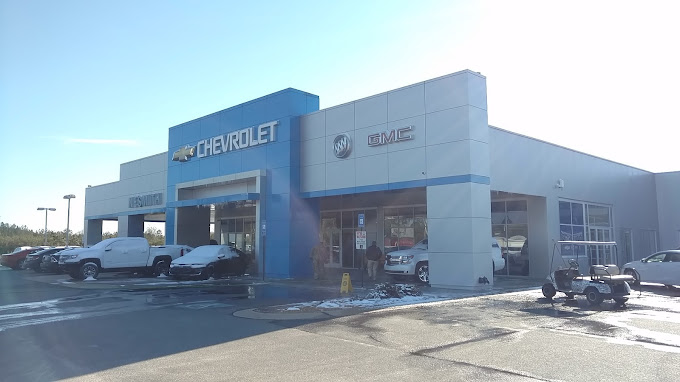
NeSmith's certified pre-owned featured vehicles fall into that third category, each passing a factory-backed inspection process before it's eligible for CPO status. If you're comfortable doing your own due diligence and want the widest selection, the full used truck and SUV inventory spans a broader range of makes, models, and price points.
Questions Worth Asking Before You Even Test Drive
A seller's willingness to answer these directly, without hedging, tells you almost as much as the truck itself:
- Has this truck ever been in an accident, reported or not?
- Is there any known frame or undercarriage rust?
- Can I have it inspected by my own technician before I commit?
- Is there documented service history, and can I see it?
- Does the towing package come from the factory or aftermarket?
- What's the actual out-the-door price, including tax and fees?
Financing a Used Truck Without Overpaying on the Loan
The truck's price is only half the real cost. The loan terms matter just as much, and it's worth getting that sorted before you fall in love with a specific vehicle.
Pre-qualifying through GM Financial uses a soft credit check and gives you a real budget number before you're standing in a showroom being sold a monthly payment instead of a price. NeSmith also offers Capital One pre-qualification as a second option to compare rates against. If your credit history has some rough spots, NeSmith's Credit Challenged resources walk through realistic options rather than assuming a decline.
A rule worth following regardless of where you finance: avoid stretching a used vehicle loan past 60 months. A used truck depreciates faster than you pay down a longer loan, and being upside down, owing more than the vehicle is worth, becomes a real risk on anything beyond that window.
If you have a vehicle to trade, NeSmith's trade-in estimator gives you a starting number online, useful whether you're applying that value toward a used truck or just want a baseline before negotiating.
What Happens After You Buy: Service Matters More on a Used Truck
A used truck in GA doesn't come with the same clean maintenance slate as a new one, which makes the service relationship that follows the purchase more important, not less.
NeSmith's GM-certified service department uses factory-trained technicians and genuine OEM parts, relevant if you inherited a truck with an unclear maintenance history and want a real baseline established going forward. A full inspection shortly after purchase, covering fluids, brakes, tires, and the items an at-lot walkthrough can't fully verify, is worth the cost even on a truck that seemed to check out fine before you bought it.
What Other Buyers Actually Experienced
"Very Enjoyable Experience, the Salesman was not pushy and gave us plenty of time to make our decision!" — 2026 Chevrolet Equinox RS Owner, October 2025
"Awesome team. I have trusted NeSmith and his team for many years now and have never been disappointed. Prompt, professional and communicative." — 2024 GMC Sierra K3500 Denali Ultimate Owner, March 2026
More dated, unfiltered feedback is available on NeSmith's full review.
Frequently Asked Questions
Does Georgia have a lower vehicle tax rate in certain counties?
No. Georgia's Title Ad Valorem Tax is a flat 7% statewide rate regardless of where you buy or register the vehicle.
Is a little surface rust on a used truck a dealbreaker in Georgia?
Not necessarily. Surface rust on brake lines or exhaust components is common in Georgia's humidity. Flaking or crumbling rust on the actual frame rails is the bigger concern and worth having inspected professionally.
Should I get an independent inspection even at a dealership?
It's a reasonable request at any dealership, and a seller's willingness to allow one tells you something. NeSmith's own certified technicians can also walk you through a vehicle's condition directly.
What's the real difference between a used truck and a GM Certified Pre-Owned truck?
A CPO vehicle has passed a factory-backed multi-point inspection and carries extended warranty coverage beyond a standard used vehicle, generally at a higher price point than a non-certified used truck.
How long should I finance a used truck?
Most financial guidance points to 60 months or less on a used vehicle loan, since longer terms increase the risk of owing more than the truck is worth.
Does a factory towing package matter if I'm not planning to tow much?
It matters less if towing isn't a priority, but it's still worth knowing whether hardware was factory-installed or added aftermarket, since that affects both towing safety and resale value down the line.
Ready to Look at Real Trucks Instead of Theoretical Ones?
Everything above is meant to make you a sharper buyer wherever you end up shopping. If you'd rather start with inventory that's already passed a real inspection process, browse NeSmith's certified and standard used truck selection, get pre-qualified before you visit, and bring a real budget number instead of a guess. Call (912) 427-2045 with questions on a specific vehicle before you make the drive.